Workplaces around Noosa have a particular rhythm. You have hospitality locations that fill over night, browse schools and tour operators that depend upon the ocean, retail strips that swell on weekends, and construction tasks that seem to appear and vanish with the seasons. In each of these settings, the first few minutes after an incident typically decide how major the result will be.
That is what office emergency treatment training is truly about. Not ticking a compliance box, but making certain that when something fails, there is somebody in the space who knows what to do, has practised it, and has the self-confidence to act.
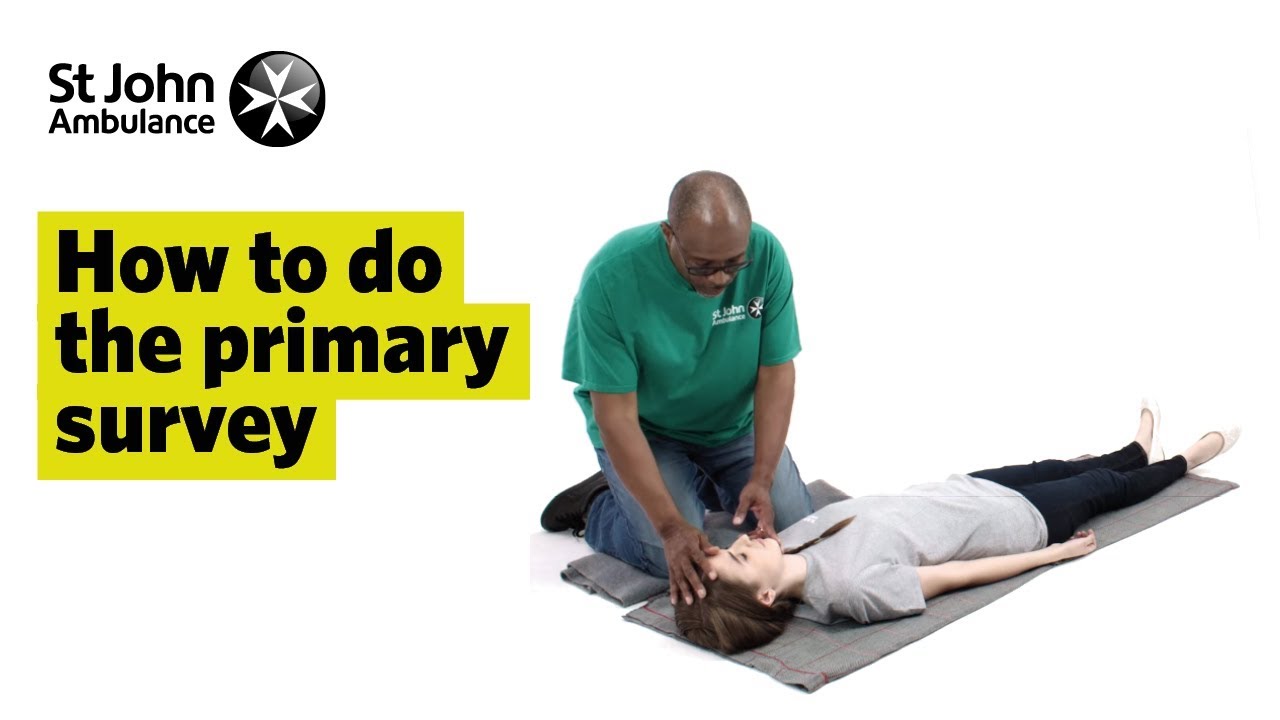
This guide walks through how first aid training in Noosa suits Queensland's legal framework, what "appropriate" looks like in practice, and how regional organizations can select and keep the right level of training, whether you are booking a short CPR course Noosa side or constructing a complete program of first aid courses in Noosa for a bigger team.
The legal structures: what the law expects from Noosa workplaces
Under the Work Health and wellness Act 2011 (Qld) and its associated guidelines, every person performing a business or endeavor has a responsibility to supply appropriate centers for the well-being of workers. Emergency treatment sits directly inside that duty.
The detail is expanded in the Code of Practice: First Aid in the Office, which Safe Work Australia publishes and Queensland typically follows. It is not just about putting a green box on the wall. The Code anticipates you to believe methodically about:
- the type of injuries and illnesses that are fairly most likely in your work environment the distance to medical services and how rapidly aid can reasonably show up how numerous employees, professionals, and members of the public might be impacted whether you operate in remote or separated places, consisting of overseas or marine environments
From a training viewpoint, this indicates you must make sure sufficient people hold appropriate first aid and CPR abilities, their understanding is present, and they are fairly available whenever work is happening.
Where Noosa businesses periodically fall down is on that last point. Throughout audits and event examinations I have seen, the same pattern appears: lots of individuals had once completed a Noosa emergency treatment course, however certificates were long expired, or all the trained individuals worked the early shift while nights and weekends had no coverage.
Having a folder of old certificates does not satisfy the responsibility. The law anticipates a living system.
What "appropriate emergency treatment" really looks like in Noosa workplaces
Adequate emergency treatment does not look the same in a Hastings Street restaurant as it does on a building site in Tewantin or a whale seeing boat off Noosa Heads. The principles stay consistent, however the application shifts.
For a low‑risk, office‑style office near to medical services, a normal arrangement may include a minimum of one employee on each floor with an existing emergency treatment certificate, plus a number of staff holding up‑to‑date CPR training. A standard wall‑mounted package, an event register, and clear signs can be enough, offered personnel know who to call and where the kit is.
Move to a business cooking area or busy café and the image changes. Burns, cuts, slips, allergic reactions, and even choking from hurried meals are all more likely. In these settings, I usually advise more than the minimum variety of qualified very first aiders, with specific focus on first aid and CPR Noosa based courses that drill choking management, burns treatment, and anaphylaxis.
Tourism and adventure operators deal with still higher stakes. Browse schools, kayak tours, marine charters, and hinterland walking trips all handle an elevated danger of drowning, back injuries, heat tension, and remote gain access to delays. The mix of water, distance from conclusive care, and often worldwide guests with unidentified medical histories implies a greater standard is prudent.
If that is your world, fundamental first aid training in Noosa is a beginning point, not an endpoint. You may need innovative resuscitation, oxygen equipment training, or additional low‑light and confined‑space practice, depending upon the activity and environment.
On heavy market and building sites, the risks once again alter character. Distressing injuries from machinery, crush points, electrical occurrences, and falls from height are more typical. Here, numerous operators work with structured ratios, for example going for a minimum of one experienced very first aider for every 25 workers, with supervisors holding both an emergency treatment certificate Noosa provided and a current CPR refresher course Noosa based.
In each case, "adequate" is judged in hindsight when an event occurs. A reasonable technique is to exceed the apparent minimum by a margin that feels comfortable, offered your risks. The modest additional training expense is minor compared with the cost of an unmanaged emergency.
Understanding the core courses: first aid and CPR in Noosa
When people speak about booking an emergency treatment course in Noosa, they are normally describing nationally acknowledged units that many registered training organisations provide. Knowing the common codes helps you match training to your work environment needs.
The main courses you will see when you search for first aid courses Noosa way are:
- HLTAID009 Offer cardiopulmonary resuscitation. Frequently called a CPR course Noosa broad, this focuses specifically on chest compressions, rescue breaths, and the use of an automated external defibrillator. Most offices expect staff to refresh this every 12 months. HLTAID011 Supply Emergency treatment. This is the standard Noosa first aid course most companies look for. It covers CPR plus a broad series of scenarios such as bleeding, fractures, burns, asthma, anaphylaxis, seizures, shock, and standard injury care. The common practice is to restore it every 3 years, with yearly CPR updates. HLTAID012 Supply First Aid in an education and care setting. Child care centres, schools, and some getaway care operators choose this. It includes child‑specific and infant‑specific components to the basic first aid content.
Some suppliers, such as first aid professional Noosa and other local organisations, package their programs as emergency treatment and CPR courses Noosa citizens can finish in a single day utilizing pre‑course online theory followed by a practical session. Others still deliver fully face‑to‑face, which can be handy for personnel who have problem with online learning.
If you are responsible for a workplace, pay attention not just to which course staff attend, however likewise how the knowing is provided. For personnel who might fidget, older, or have English as a second language, a more useful, slower‑paced session can make the distinction between "I have a certificate" and "I can in fact do this under pressure".
How frequently ought to initially help training be refreshed?
The Code of Practice suggests that:
- CPR abilities be refreshed each year full emergency treatment training be revitalized a minimum of every three years
Those numbers are more than administration. In my experience, unpractised CPR abilities decay quickly. Personnel who had not done a CPR refresher course Noosa way for a couple of years typically battled with compression depth and rate throughout training, although they had passed their initial assessment.
Think about how typically you personally perform chest compressions in real life. For many people, the response is "ideally never". That is why regular, short refreshers matter, particularly in environments like gyms, pools, childcare centres, and tourism operators who work near water.
First help content likewise develops. Guidelines about asthma spacing gadgets, EpiPen use, compression‑only CPR, and even the positioning of a casualty after a seizure have actually all shifted for many years. Fresh training makes certain your office treatments keep pace with current medical thinking.
A useful pointer for Noosa companies is to construct an easy rolling calendar. For example, strategy that every January and February you run CPR training Noosa based for hospitality and tourism staff ahead first aid course Noosa of peak season, and every second year you schedule full emergency treatment course Noosa sessions to cycle the whole team through. Prevent the trap of training everybody in one big push, then finding three years later on that half your certificates expired during your busiest months.
Tailoring emergency treatment training to Noosa's unique risks
No 2 offices are identical, but Noosa does have some repeating themes that are worth factoring into your training choices.
Tourist dealing with roles regularly involve individuals in unknown environments. Consider a visitor from a colder environment stepping into strong summer season heat, or a household leasing bikes when they have not ridden for several years. Dehydration, sunstroke, fatigue, and easy disorientation are common. A Noosa first aid course that consists of a lot of practice recognising heat tension, treating dehydration, and managing fainting spells is highly relevant.

Water activities bring particular dangers that not every generic course addresses in depth. If your group supervises swimming, browsing, boating, or stand‑up paddle boarding, prioritise emergency treatment and CPR course Noosa choices that cover drowning response, presumed back injuries in the water, and the realities of treating someone on a moving vessel or on a beach instead of in a tidy classroom.
Then there is wildlife. Jellyfish stings, bluebottle welts, pet bites, and even occasional snake events are not theoretical in this region. Great Noosa first aid training spends real time on pressure immobilisation bandaging, safe casualty motion, and how to remain calm while awaiting ambulance assistance in outside locations.
Construction and trade organizations around Noosaville, Tewantin, and the hinterland requirement to consider manual handling injuries, crush and pinch points, electrical dangers, and operating at heights. Here, drills that mimic uncomfortable areas, noisy environments, and the requirement to coordinate with other professionals can prepare very first aiders for the messy reality of a structure site.
The right service provider is happy to adjust situations so your staff practise the circumstances they are more than likely to encounter. If your selected trainer insists on running exactly the exact same script for an office group and a surf school, you can most likely do better.
Choosing an emergency treatment training service provider in Noosa
On paper, numerous service providers look similar. They all point out nationally identified training, qualified fitness instructors, and compliance with Australian guidelines. The differences emerge in how they deliver training and support you after the course.
Here are some requirements that employers frequently find beneficial when comparing choices for emergency treatment pro Noosa design service providers and other local organisations:
- Ability to contextualise. Excellent fitness instructors inquire about your company, common dangers, and roster patterns, then weave relevant scenarios into the training. Flexibility of shipment. Check whether they can run sessions at your work environment, deal after‑hours or weekend courses, or offer combined options that fit shift workers. Trainer experience. Ask about the background of the person who will in fact teach your group. Fitness instructors with real‑world paramedic, nursing, or emergency situation action experience typically add important anecdotes and judgement. Support products. Quality handouts, tip cards, and post‑course resources assist learners retain understanding once the class session ends. Administrative reliability. You want quick issue of certificates, clear records, and suggestions about upcoming expiries. This matters when you are audited or after an occurrence.
Price naturally plays a part, specifically for bigger teams. Simply watch out for picking entirely on cost. If an extremely inexpensive Noosa first aid course saves you a few dollars per person but personnel leave sensation confused or underconfident, the saving is illusory.
What a great emergency treatment session feels like from the inside
Staff are in some cases cautious when you announce a compulsory first aid course in Noosa. They envision a long day of slides and jargon. The better programs look and feel different.
A practical class is noisy and hands‑on. Manikins are out from the very first half hour. Individuals take turns running through circumstances: a co‑worker with chest discomfort plunging at a desk, a kid with an asthma attack during a school adventure, a traveler who collapses from believed heat stroke on a walking course near Noosa National Park.
The fitness instructor must be moving constantly, remedying hand positioning, prompting clear interaction, and normalising the nerves that feature touching another individual in a crisis. Concerns are motivated, particularly the uncomfortable ones that people are reluctant to ask, such as "What if I break a rib during CPR?" or "What if I believe it might be an overdose but I am not exactly sure?".
In a strong emergency treatment and CPR Noosa based program, students leave worn out however energised, not bored. They frequently begin identifying little enhancements around the work environment before management even asks, such as rearranging an emergency treatment kit for faster access or settling on who will satisfy the ambulance at the front gate.
If your personnel leave whispering that it was a waste of time, listen to them. That is feedback about the company and the delivery, not about the worth of emergency treatment itself.

Integrating emergency treatment into everyday work environment practice
A one‑off Noosa first aid training session is a start, not the goal. To satisfy both legal and practical expectations, emergency treatment requires to reside in your everyday systems.
Consider structure a basic rhythm around 3 elements.
First, visibility. Make it obvious who your experienced first aiders are. Use pictures on a noticeboard, lanyard tags, or a brief section in your staff induction that presents them by name and location. Make certain everyone knows where the first aid package is and where any automated external defibrillator (AED) is installed. In multi‑site operations, keep this details site‑specific.
Second, practice. Short, casual refreshers can be remarkably powerful. A 5‑minute drill at the end of a team meeting, where someone walks through the steps of responding to a fainting occurrence or a cut hand, keeps knowledge fresh and normalises discussing emergency situations. Encourage trained initially aiders to lead these micro‑sessions utilizing the language and techniques from their official emergency treatment and CPR course Noosa sessions.
Third, reflection. After any occurrence, even a small one, take ten minutes to debrief. What went well, what felt complicated, did anyone feel out of their depth, and does your emergency treatment kit or procedure need tweaking as an outcome? Catch these notes. Over a year or two, they form a proof path that both enhances security and supports you throughout any external audit or insurance coverage review.
This type of integration moves first aid from a compliance tick to an authentic part of your safety culture.
Record keeping, policies, and showing compliance
From a regulative and insurance viewpoint, training is only as beneficial as your capability to prove it took place and remains existing. Good paperwork likewise reassures personnel that you take their security seriously.
At a minimum, every Noosa service need to preserve:
- a present list of experienced first aiders, consisting of course type and expiration dates digital copies of certificates for each employee, kept in an accessible place a simple emergency treatment policy that describes how many first aiders you aim to maintain, what training they must have, and how you deal with events and reporting
For businesses with higher dangers, it can be worth embedding these aspects into your broader health and safety management system. For instance, connecting emergency treatment coverage checks into your rostering procedure, so a shift can not be settled if no experienced person exists, or making emergency treatment updates a condition of supervisor roles.
Incident registers ought to be utilized consistently, not only for serious events. Minor cuts, sprains, and near misses typically highlight patterns, such as a bothersome step, awkward entrance, or piece of equipment that needs modification.
When inspectors check out or when you are restoring insurance, the mix of recorded first aid training Noosa based, clear policies, and a live occurrence register interacts that you are not merely fulfilling the bare legal minimum, but actively managing risk.
Practical steps for Noosa employers prepared to act
If you are looking at your present setup and think it would not hold up well under analysis or under the pressure of a genuine emergency situation, it deserves approaching the task systematically instead of in a rush after something goes wrong.
An uncomplicated path that works for numerous local businesses appears like this:
- Map your risks in plain language, taking into consideration your market, areas, hours of operation, and workforce profile, including volunteers and professionals. Count how many people are on website across various shifts, then decide the number of qualified first aiders you want per shift, not simply per website. Check which staff already hold a legitimate Noosa emergency treatment certificate or CPR Noosa training, validate expiration dates, and recognize the spaces. Speak with two or 3 companies who provide first aid courses in Noosa, explaining your specific context, and evaluate how willing they are to customize content and schedules. Lock in an annual cycle for CPR courses Noosa based and a multi‑year cycle for broader first aid courses Noosa personnel requirement, and embed dates in your HR or rostering system to prevent lapses.
Once you have this structure in place, preserving compliance and authentic preparedness becomes routine instead of a scramble.
The genuine procedure: what happens on the worst day
Regulators, insurance companies, and auditors all appreciate first aid, however they are not the reason most people in Noosa step into a training room. If you ask individuals why they are there, they generally address in individual terms. A parent wants to feel great if their kid chokes. A surf trainer keeps in mind a close call on a crowded beach. A chef remembers seeing a colleague collapse in a previous job and feeling useless.
When an event occurs in your office, those human motivations surface. The individual who advance will not be thinking of the line in the WHS Act. They will be leaning on what their Noosa first aid course or CPR training Noosa session drilled into their muscle memory: look for threat, call for help, start compressions, use the EpiPen, calm the crowd.
If you have invested correctly, their hands will know what to do, even if their heart is racing. That is the point where the effort of picking the right emergency treatment course in Noosa, preserving routine refresher training, and incorporating first aid into everyday practice pays off.
Compliance is the flooring, not the ceiling. For Noosa companies that depend on people - travelers, residents, staff - getting emergency treatment right is one of the clearest signals that safety is not just a motto on the wall, but a lived priority.
Nationally Recognised First Aid Courses Noosa Locals Trust! First Aid Pro is one of Noosa’s leading providers of accredited CPR and first aid courses. Established in 2010, our nationally registered training organisation (RTO) has equipped over 3 million Australians with essential life-saving skills through our experienced team of 110+ expert trainers. Conveniently servicing Noosa and the Sunshine Coast region, we provide top-quality, nationally accredited CPR and first aid training sessions tailored to your needs, whether for workplace requirements, career advancement, or personal safety. From childcare-specific first aid training to advanced first aid and resuscitation courses, we’ve got you covered. First Aid Pro – First Aid Course Noosa Noosa Conference Centre 73 Hilton Terrace Noosaville QLD 4566 Australia Phone: (08) 7120 2570 Secure your Noosa first aid course or CPR training with us and build the confidence to handle emergencies with a trusted Noosa first aid provider. Take the first step towards becoming a skilled and capable first aider with First Aid Pro Noosa today.
Location & Venue Details Our First Aid Pro Noosa courses are held at Noosa Conference Centre, 73 Hilton Terrace, Noosaville QLD 4566, conveniently located in the heart of Noosaville. This modern and well-equipped venue provides a professional and comfortable training environment ideal for first aid, CPR, and childcare first aid courses. It’s the perfect location for participants travelling from Noosaville, Noosa Heads, Tewantin, Sunrise Beach, and surrounding Sunshine Coast suburbs. Situated close to the Noosa River, the venue is near popular local landmarks including Noosa Marina, Noosa Civic Shopping Centre, Noosa National Park, and Hastings Street. The surrounding area offers a variety of cafés, restaurants, and takeaway outlets—perfect for enjoying lunch or coffee before or after your course. With easy access to Noosa Main Beach and nearby riverside parks, it’s also a great place to relax before or after your training. Training is conducted in spacious, air-conditioned rooms within Noosa Conference Centre, equipped with high-quality first aid and CPR training equipment and comfortable seating. The venue provides convenient onsite parking and nearby street parking for participants attending the course. The site is fully accessible, offering step-free entry and accessible restroom facilities, ensuring a smooth and inclusive training experience for all learners.